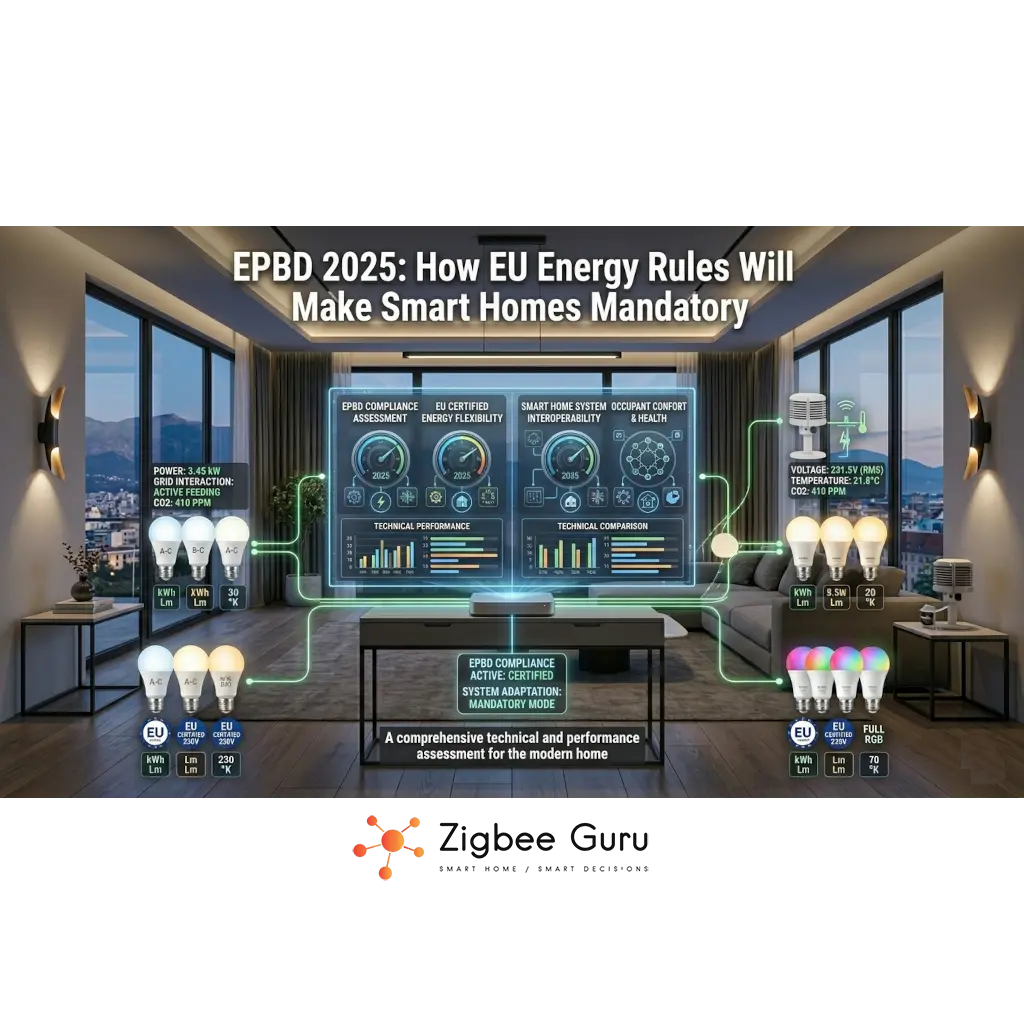
EPBD 2025: How EU Energy Rules Will Make Smart Homes Mandatory
The EU’s Energy Performance of Buildings Directive (EPBD) is not a “smart home law”. It is a building energy law that forces measurable performance, and … Read more

The EU’s Energy Performance of Buildings Directive (EPBD) is not a “smart home law”. It is a building energy law that forces measurable performance, and … Read more
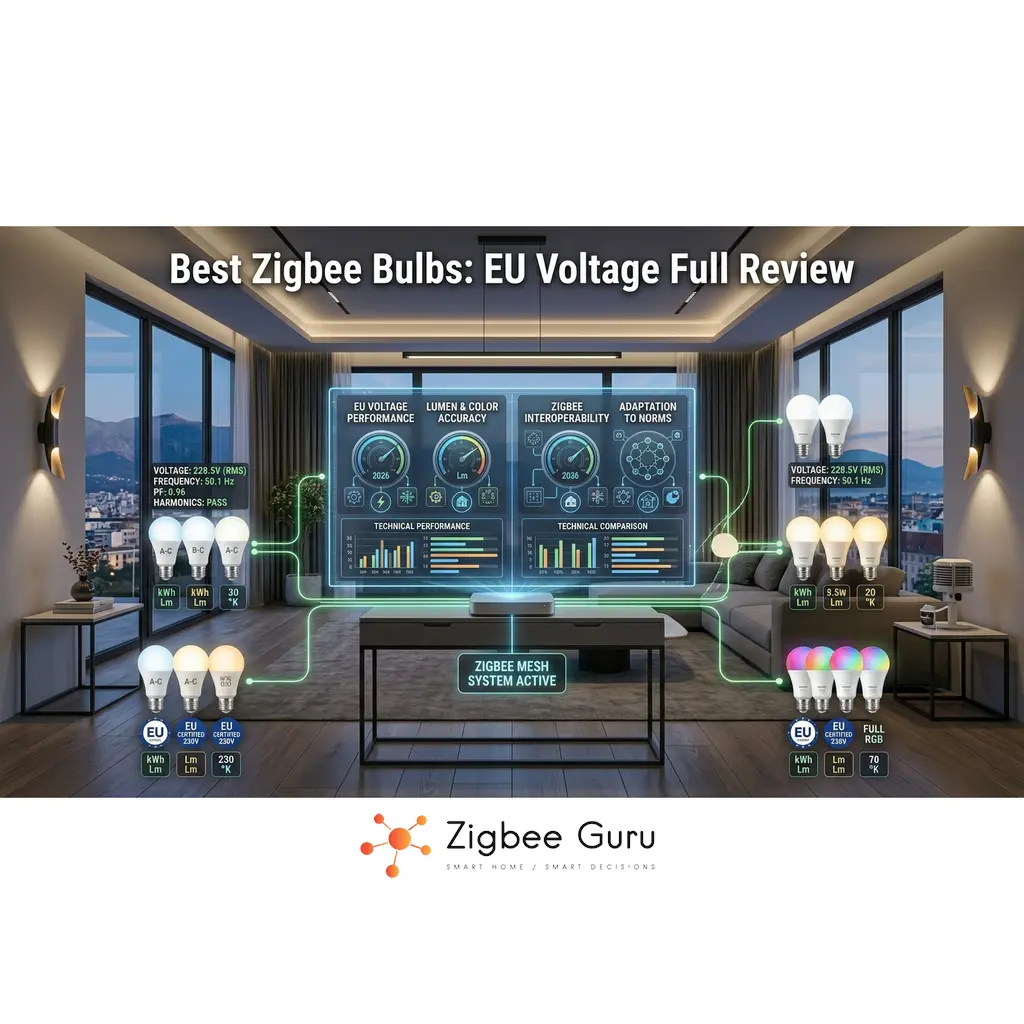
Zigbee bulbs are one of the simplest ways to build a reliable EU smart lighting layer: mains-powered devices, low bandwidth, and fast local response. But … Read more
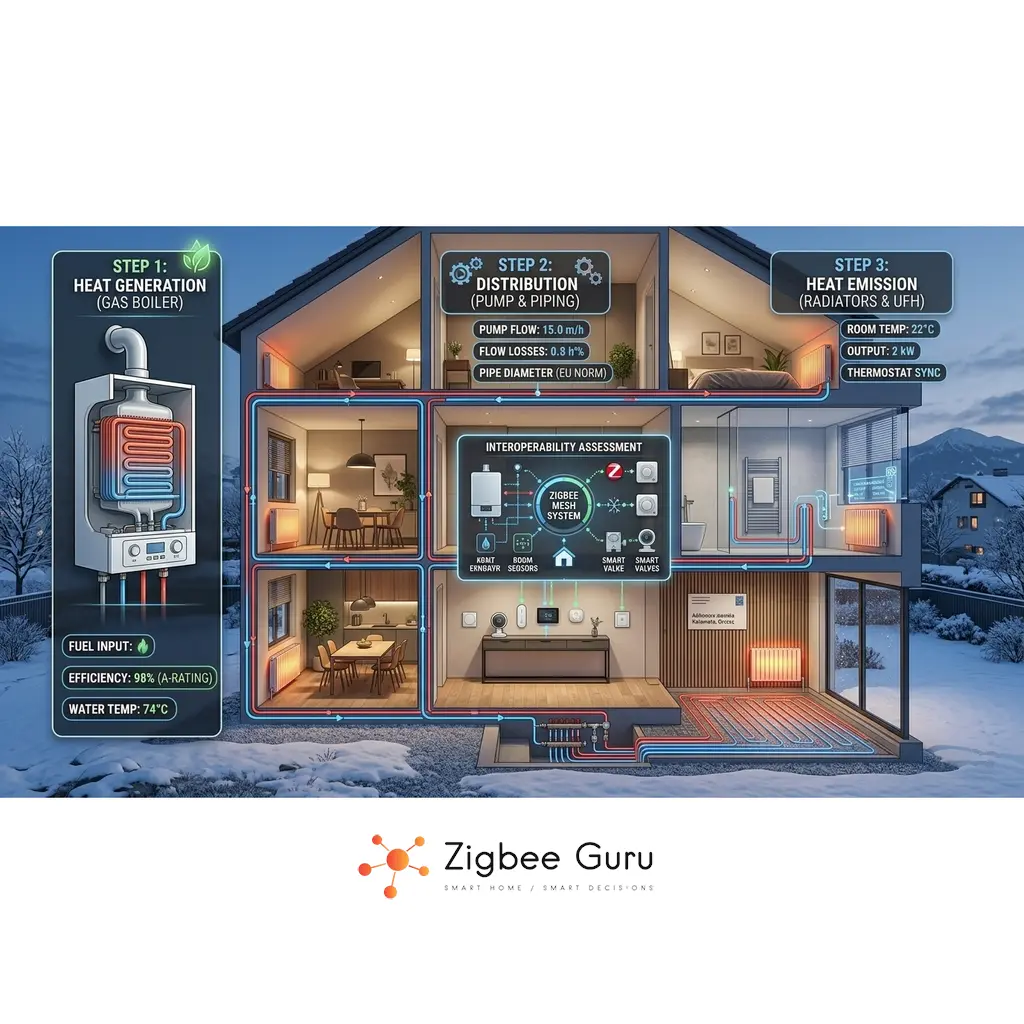
A central heating system is not a single device — it is a chain of four interdependent layers: a source that generates heat, a network … Read more
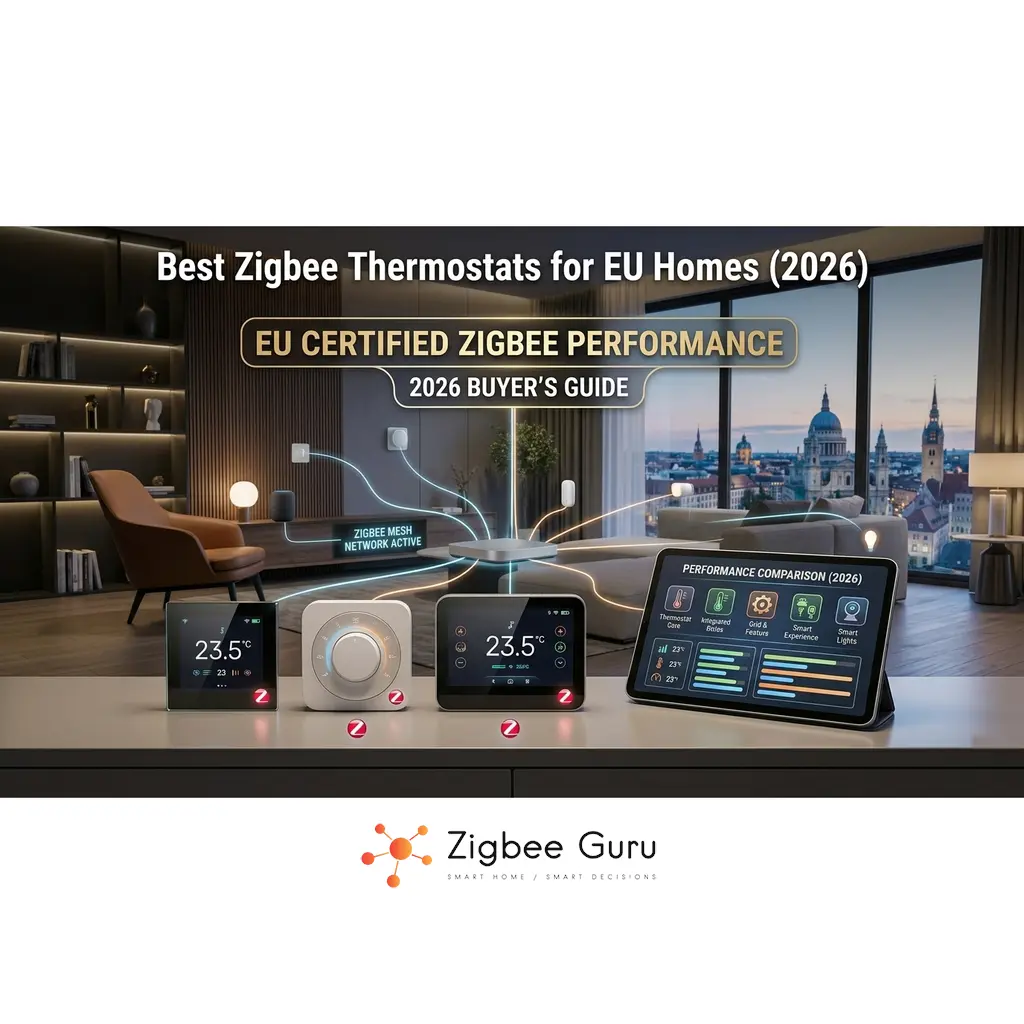
In EU homes, Zigbee heating control spans three distinct hardware roles: a wall thermostat that switches a boiler or heat pump, a radiator thermostat (TRV) … Read more
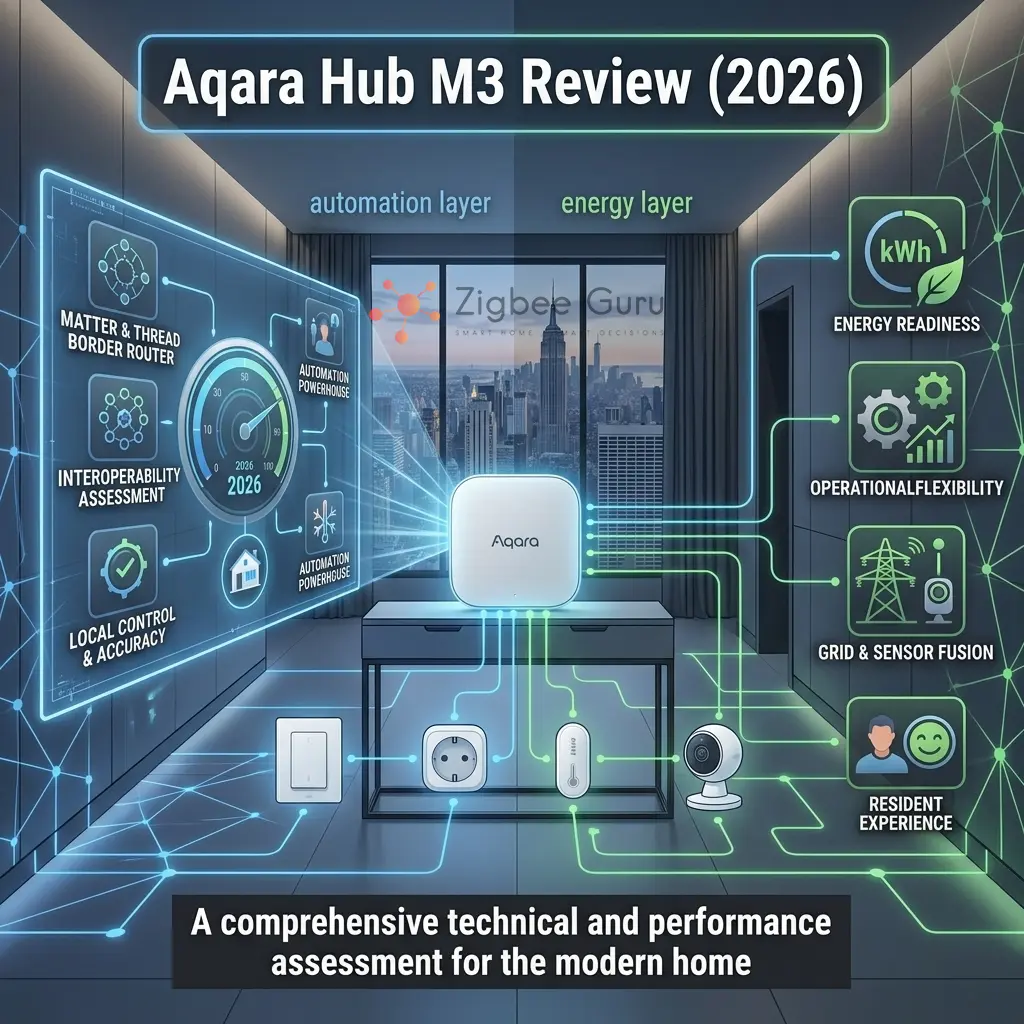
Aqara’s Hub M3 is positioned as a “centre piece” device for modern smart homes: a Zigbee hub that also participates in the Matter + Thread … Read more
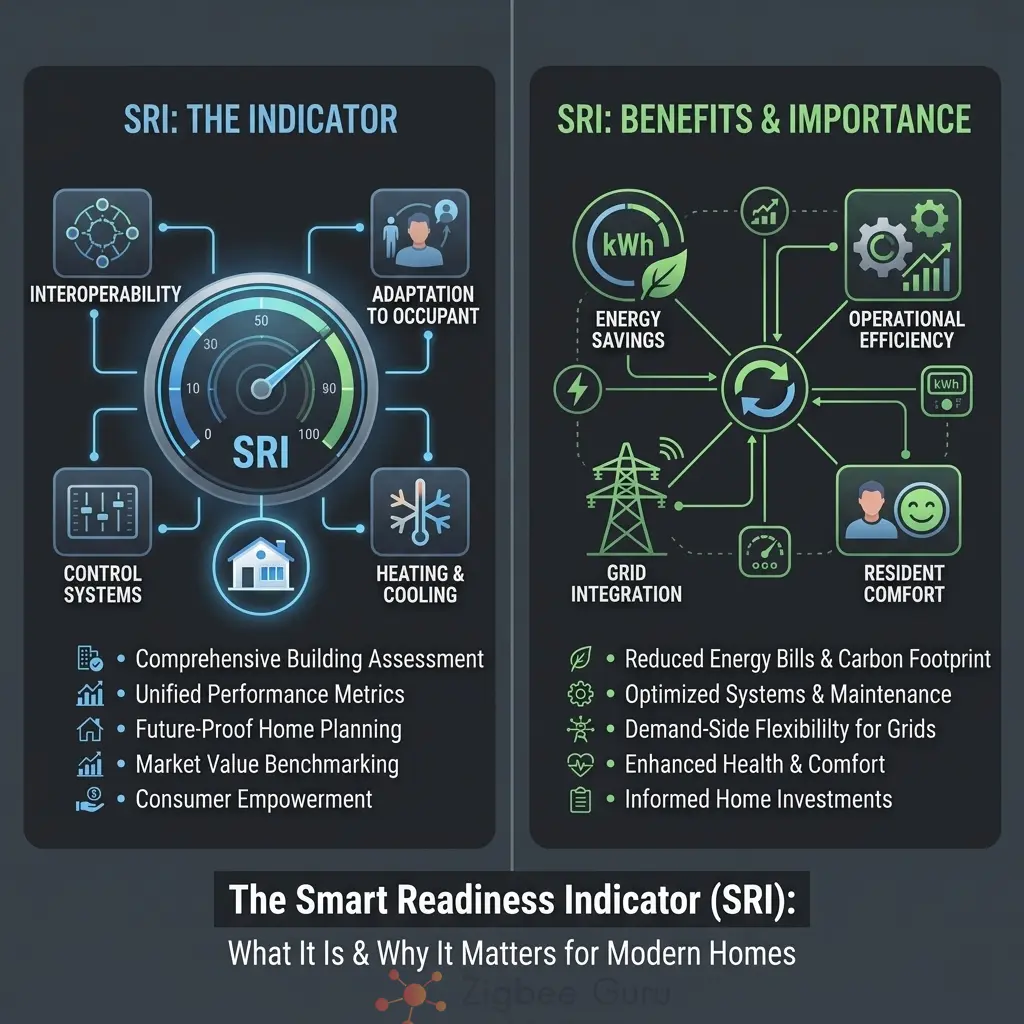
The Smart Readiness Indicator (SRI) is an EU framework that aims to describe how “smart-ready” a building is. It focuses on whether building systems can … Read more
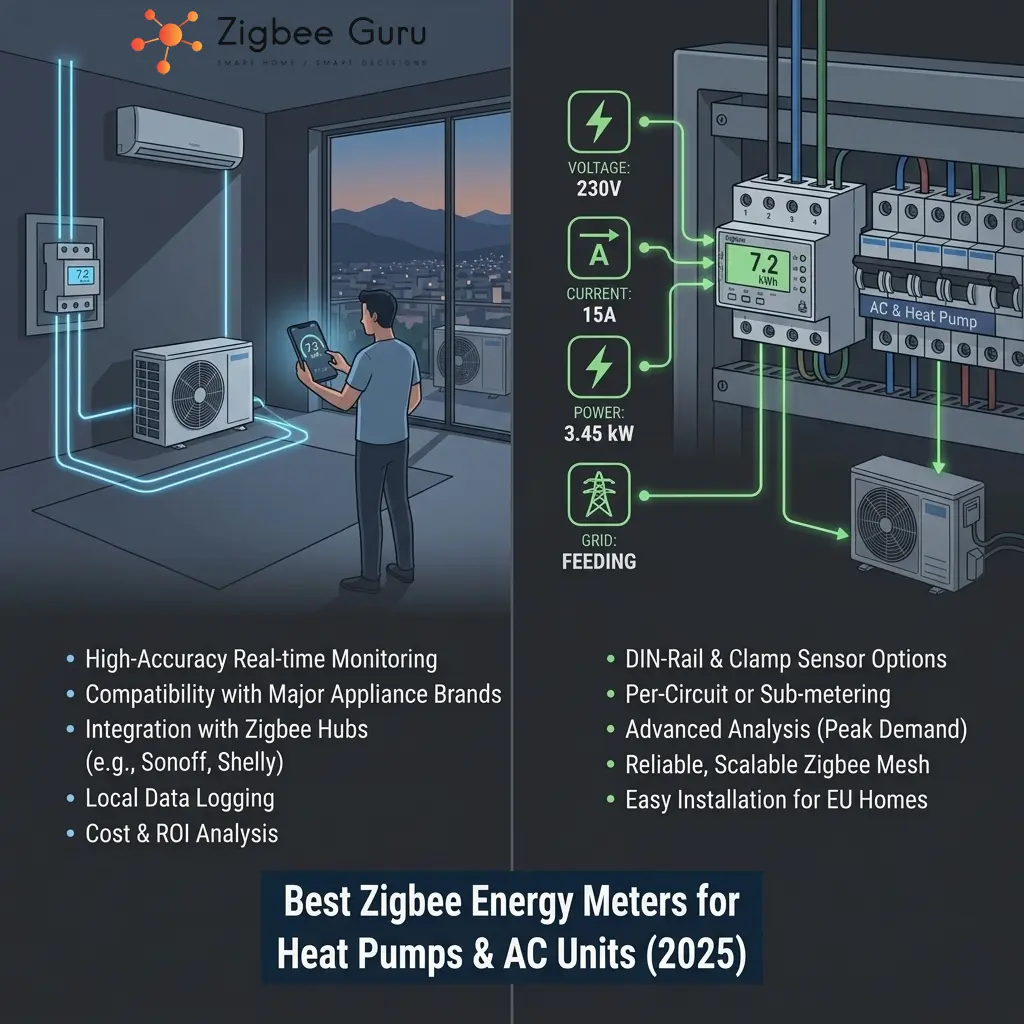
Heat pumps and air conditioners are among the largest electrical loads in an EU home. If you want meaningful energy management, you need metering that … Read more

Smart home devices are always on, even when you are not using them. Over months and years, the standby power of sensors, plugs and bulbs … Read more
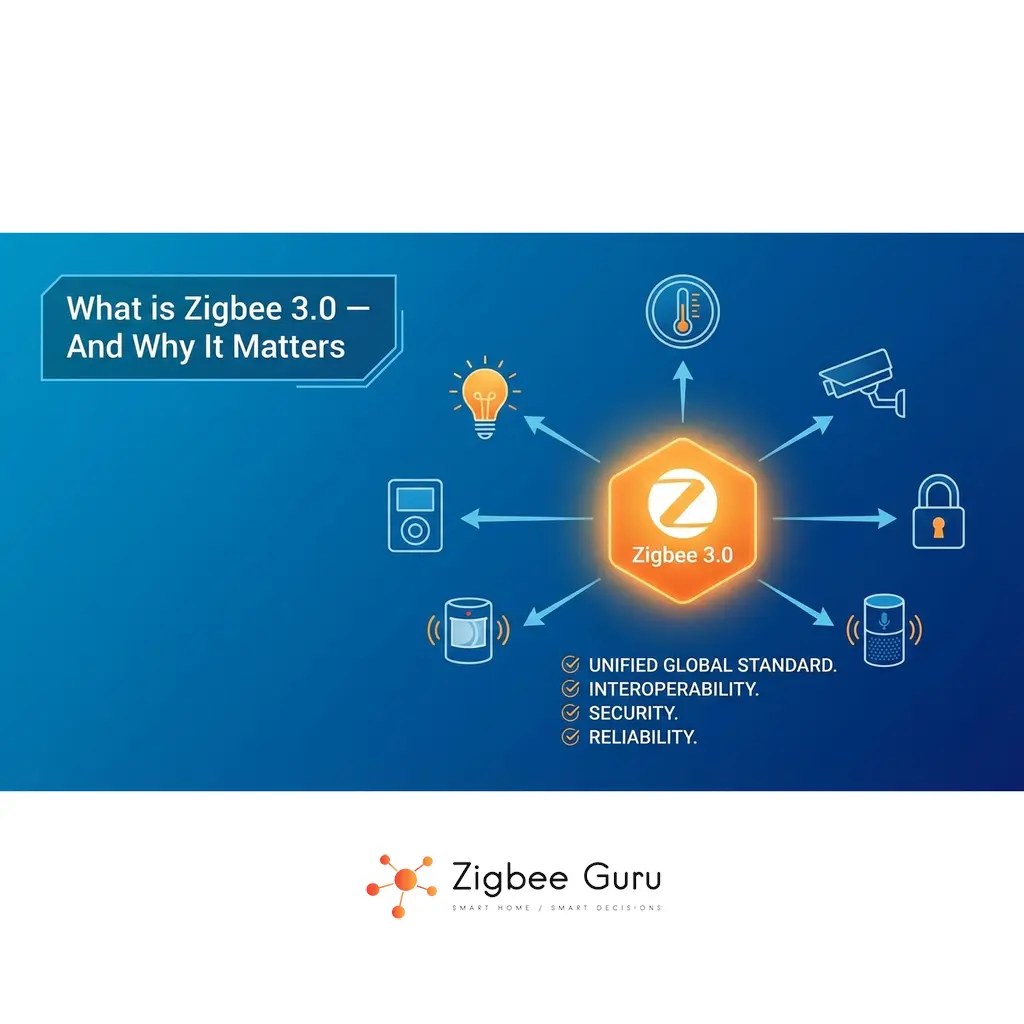
Zigbee 3.0 is the unified version of the Zigbee standard, designed to bring all previous profiles under one umbrella and make low-power smart home devices … Read more
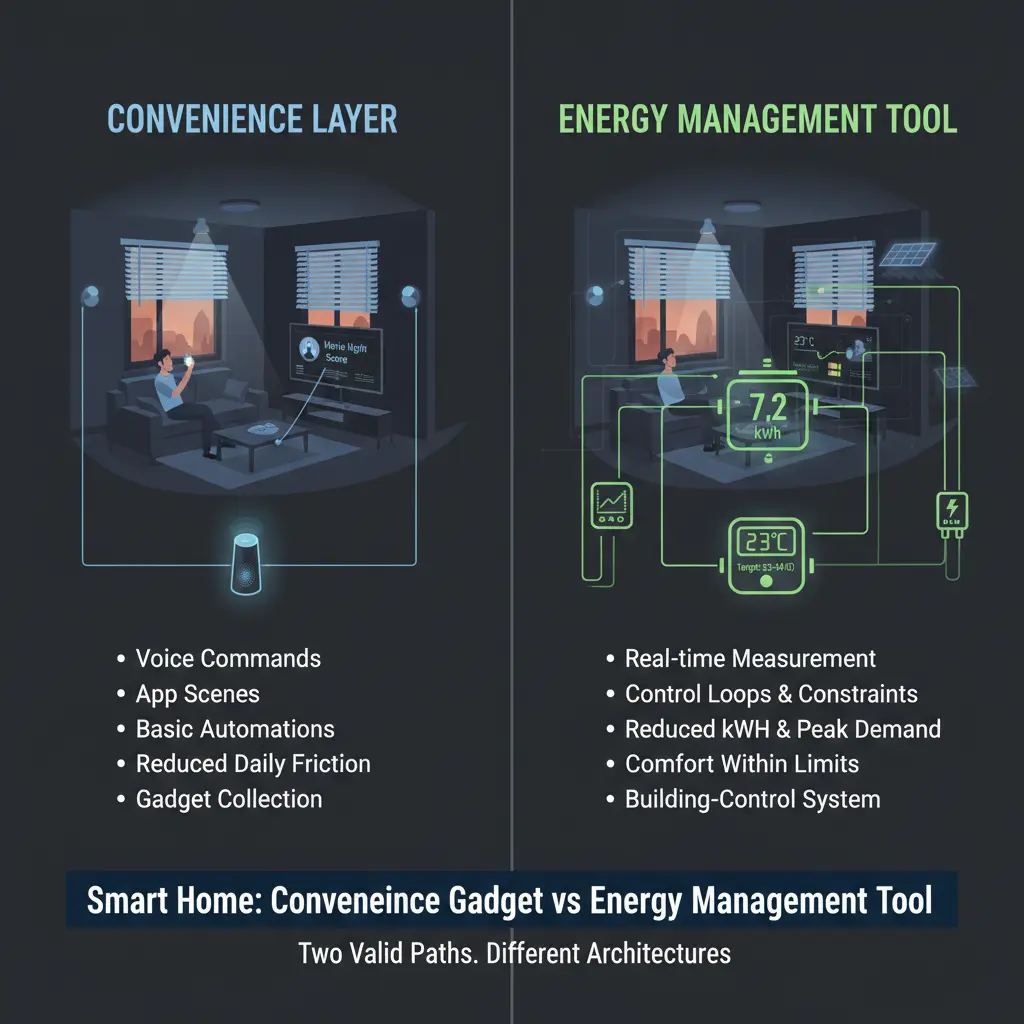
A “smart home” can mean two very different things. One version is a convenience layer: voice commands, app scenes, and a few automations that reduce … Read more
ZigbeeGuru is a smart-home knowledge hub focused on Zigbee, Matter, Thread, WiFi and modern home automation for the EU market. We provide beginner-friendly guides, deep-dive tutorials, reviews, and practical advice to help users build reliable, low-power smart homes.


